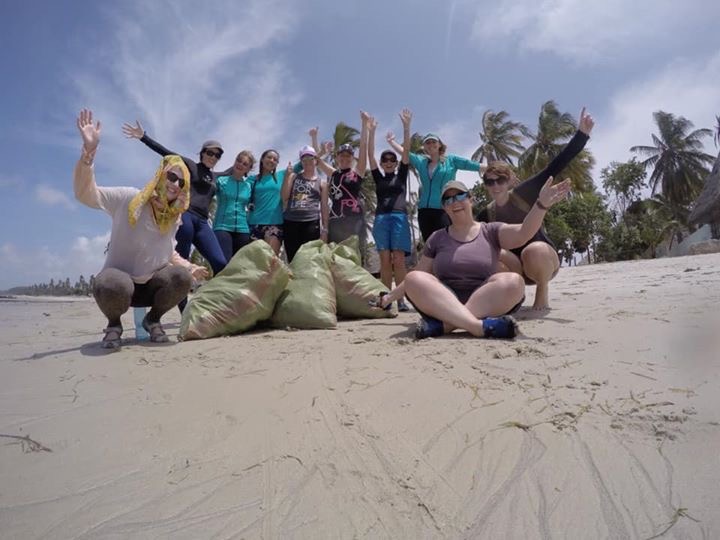
In January 2019 I joined a wonderful group of women on a trip to Mafia Island in the Indian Ocean off Tanzania. It was in many ways a visit to Paradise (blog coming soon) but in others a wake-up call to the insane profligacy and consumerism of privileged life in the western world. While there we spent a few hours doing beach cleans, picking through the detritus at the high water mark and removing as much plastic as we could.
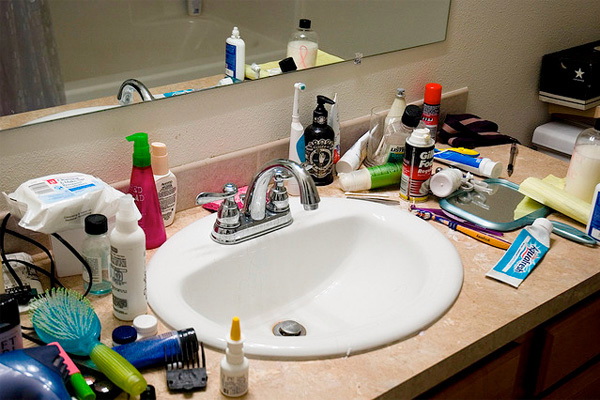
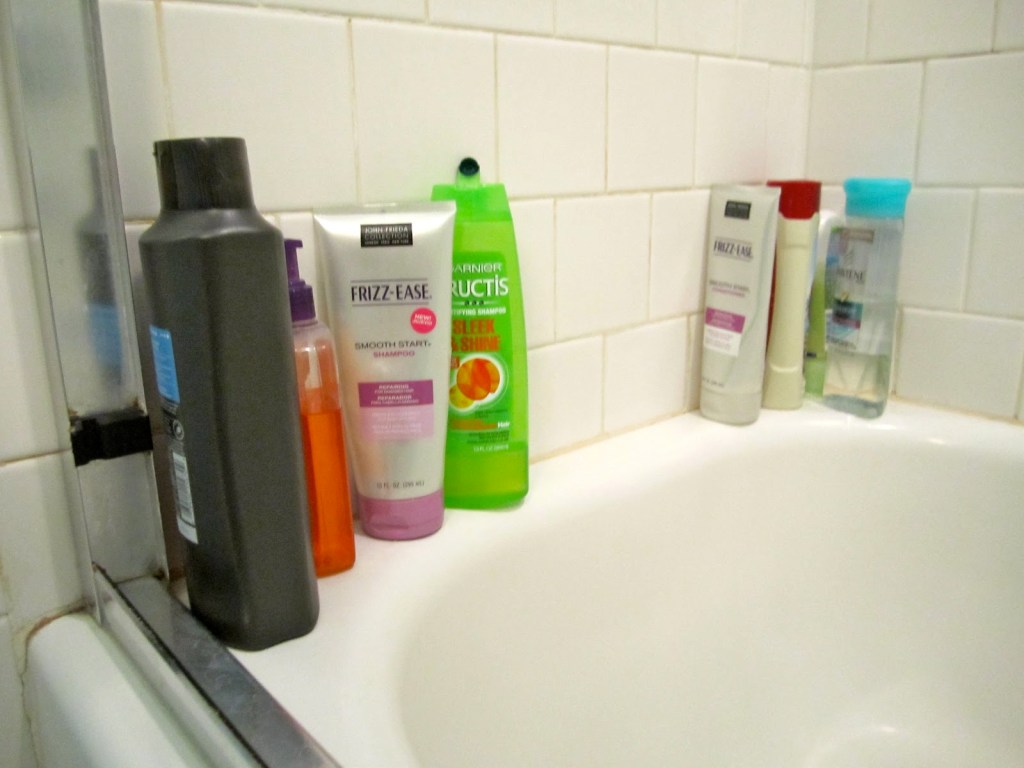
The rubbish we found did not have its origins locally, It was from afar, from Europe and the Phillipines, America and China. Carried by currents and winds, it may have travelled thousands of miles before fetching up on what should have been a pristine beach. And there were so many lids. Lids from toothpaste tubes, shampoo bottles, water bottles, face cream tubs and tubes and pots, conditioner bottles, bath oil, shower gel and goodness knows what else. Lids to all the paraphernalia we are constantly told by advertising and marketing that we need to look clean, shiny and beautiful. I knew back home my bathroom contained much of them.
I vowed to de-plastic my bathroom on my return and now, over a year later I am nearly there. Below are some of the products I’ve discovered, how they’ve worked for me and some suggestions and guidelines if you want to do the same.
Soap
This one’s easy. Ditch the plastic bottles and pumps of liquid soap and go back to good old-fashioned bars of soap. Everyone used to use it and I can’t remember when it started to be replaced on supermarket and pharmacy shelves by the now ubiquitous bottles and pumps. And it does’t have to be expensive. I love L’Occitane’s range as a treat, but Faith in Nature does a wonderful selection of reasonably priced bars some with the added benefit of no packaging at all. There are a whole host of other brands available and it’s fun trying out new scents and main ingredients. Or try making your own!
The benefit of bars of soap is not just little or no packaging but also the lack of processing and parabens found in more commercial soaps. The bars also last longer than a plastic container of liquid soap
Toothpaste
This one has proved a bit trickier. Due to its consistency, toothpaste can’t really be packaged in paper or cardboard. When I was a child, toothpaste was in a metal tube which nowadays could be recycled but there was still that plastic lid. I tried a couple of ‘natural’ toothpastes but didn’t really get on with their oily consistency. Their base is usually coconut oil with kaolin (a type of fine clay) to provide the abrasion needed for cleaning.
So I’ve switched to tooth tablets. These usually contain bicarbonate of soda which provides the froth we’re used to in toothpaste – and is also the best odour controller! Some of the big brands of alternative products sell the tablets in plastic tubes or bottles which kind of defeats the object. But I now use the georganics tablets which come in a glass jar with an aluminium lid. You can choose from a variety of flavours. But they are more pricey than toothpaste. Let’s bring the price down by buying more so that these alternatives become available to everyone.
Shampoo and conditioner
I’d never heard of a shampoo bar before my Tanzania trip and meeting people more used to travelling in out of the way places than I am. We tend not to think of the environmental impact of such household products as shampoo or conditioner. But when you’re in a place where waste water is not processed, everything that goes down the drain ends up going directly onto the land or into rivers and oceans – including all the petrochemicals and artificial perfumes of our beauty products.
There are are huge range of solid shampoo bars available and I was lucky to find my first choice – one of those offered by Lush – perfectly acceptable. I have not bought any shampoo since. Again, it feels a bit pricey paying up to £10 for a small bar of shampoo. But mine last for ages! I don’t have to wash my hair as often and I think it probably averages out in the end.
Conditioner was not so easy. Like the natural toothpaste, I found the conditioner bars just too oily as their base was usually coconut oil. Until I stumbled upon Friendly conditioner bar in a Wildlife Trusts gift shop. It’s perfect. The instructions suggest dissolving the bar in boiling water then, once it’s cooled, bottling it in an old conditioner bottle. It is then possible to use it in small quantities and it has the same consistency of the conditioner we’re all used to. My hair is softy and silky after using it without being clogged with oil. Recommended!
Deodorant
I think this is the one that most people are afraid of trying. It’s the fear of natural armpits equating to smelly armpits! But I was a convert after trying my very first natural deodorant. And it is deodorant and not anti-perspirant. You will sweat if you’re hot or exerted, as we are meant to. Natural deodorants are extremely effective at controlling odour and there is none of the chemical control and pore blocking associated with anti-perspirants.
Some may find the application a bit messy if you are using a brand from a tin but it really doesn’t take long to get used to it. I really like the We love range – variety of scents, all in aluminium tins. If you prefer a stick deodorant the ‘ku-tis range is lovely.
Toothbrush
During our Mafia Island beach clean we found DOZENS of toothbrushes! Bamboo alternatives are now widely available though many still have plastic bristles. Shop around to find out what works for you. I now always take a bamboo toothbrush while travelling but I have not given up my electric toothbrush at home.
What I have done is switch to closed loop recycled Live CoCo brush heads. These are compatible with Oral-b electric toothbrushes. They come in a two pack of recycled card and when they are past their best you return them to the same company for recycling.
Moisturizer
This one’s the toughest! Tubes and jars that promise everlasting youth and instant wrinkle removal are so tempting. And most are in plastic packaging with the contents often containing petrochemical products as well. I have used Neal’s Yard Remedies face creams for years which come in glass jars and have natural ingredients. But they all have plastic lids.
I love the products and am loathe to change although there are now a few brands available with aluminium lids. Instead, I continue to lobby NYR to upgrade their packaging and ditch all plastic. Judging by comments from shop staff, more and more people are doing the same so I’m hopeful their policy will change in the near future.

 Wild About Life